Beschreibung
9YF-2200S Square Hay Baler — Hammer-Claw Shredding, Towed-Type, 2,200 mm Pickup
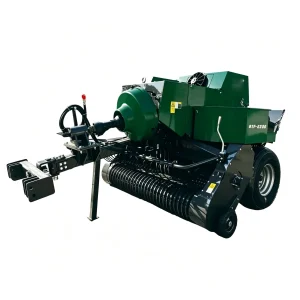
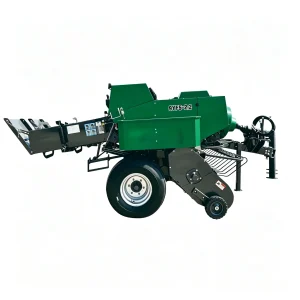
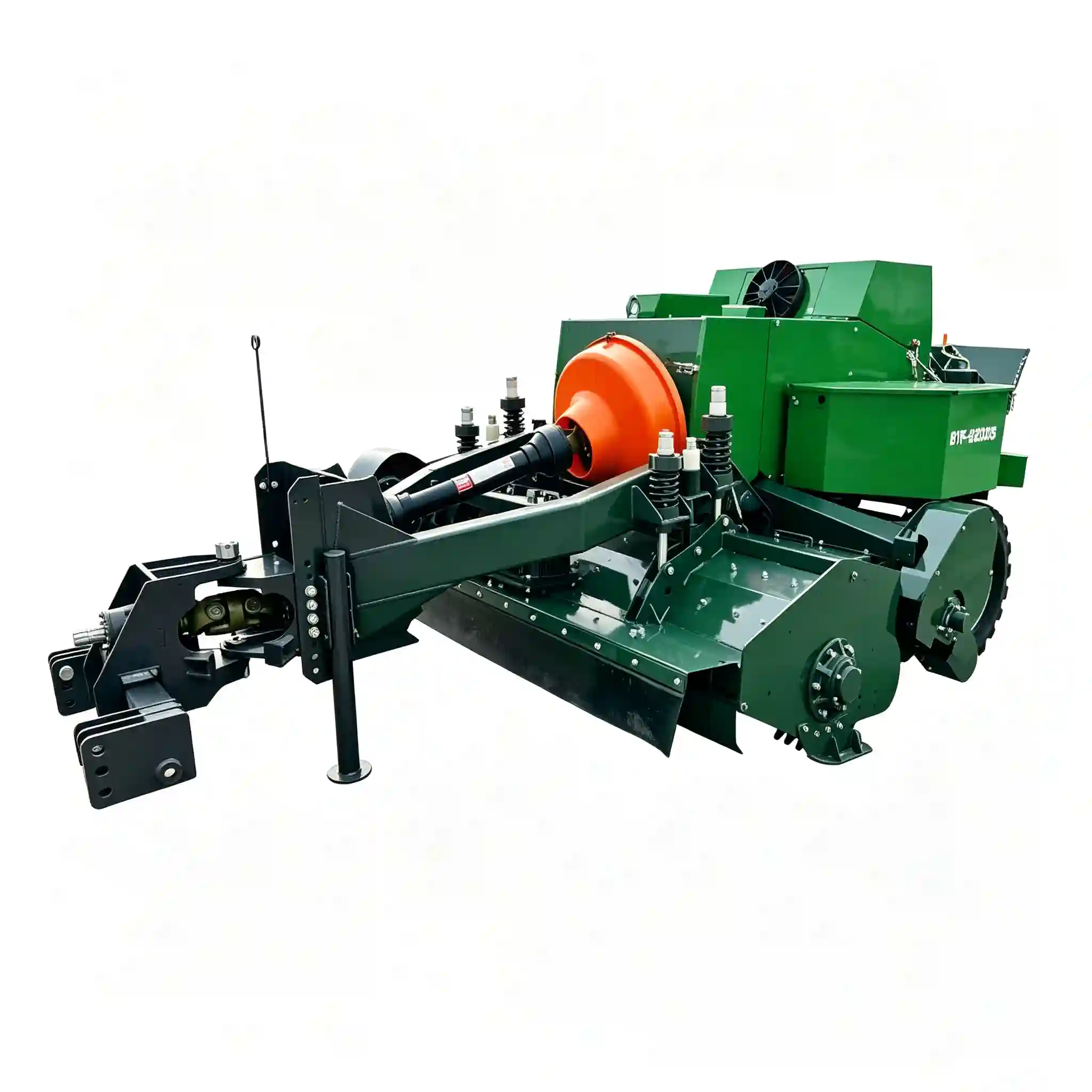
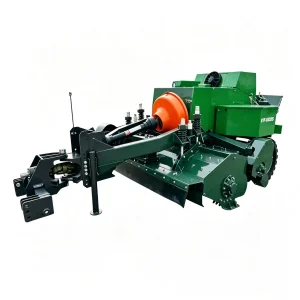
The 9YF-2200S is a towed-type square hay baler engineered around a single-stage shredding mechanism that sets it apart from conventional twine tie square balers on the market. Where standard machines can only pick up laid or cut material, the 9YF-2200S is rated to pick up upright, lodged, and field-cut corn, sorghum, cotton, and wheat stalks in a single pass — a capability confirmed by its hammer-claw pickup structure rather than the more common spring-tooth roller. At 2,350 kg and requiring at least 73.5 kW (approximately 100 hp) of tractor output, this machine targets contractors and commercial operations that need reliable volume throughput on heavy-duty crops, not just light forage grass. Automatic rope baling with two D-type knotters runs without operator intervention, and the finished 460 x 360 mm bales exit at high density for efficient on-farm storage, transport, and downstream animal feed use.
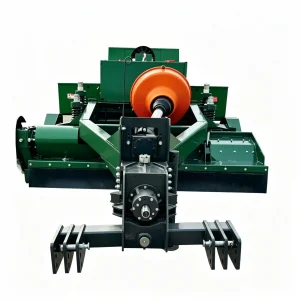
High-Performance Square Hay Baler for Efficient Forage Harvesting
Most square hay balers are designed for one category of crop: cut and dried forage that lies flat in a windrow. The 9YF-2200S was built for a broader scope. The shredding mechanism handles the three stalk conditions that cause competitors to slow or stop: standing upright stalks from a field where the combine did not fully lay the residue, lodged (partially fallen) stalks tangled at the base, and machine-cut straw from combine harvesters. Processing all three without adjustment means one machine covers the full range of post-harvest field conditions encountered across a mixed arable and forage operation.
The single shredding mechanism carries out high-efficiency crushing and kneading of hard-stemmed crops — corn and sorghum in particular — before material enters the compression chamber. Crushed stalks pack at higher density than whole stems: baled corn straw processed through the shredder exits as a compact, feedable block that livestock can consume directly after minor breaking, reducing the secondary processing step that farms running conventional balers must perform separately.
Technical Specifications of the 9YF-2200S Towed Type Baler
All values are factory-rated. Contact us for tolerance data, regional certification documentation, or export compliance sheets.
| # | Parameter | Unit | 9YF-2200S Specification |
|---|---|---|---|
| 1 | Model Name | — | 9YF-2200S Square Baler |
| 2 | Hitching Method | — | Towed-type |
| 3 | Pickup Width | mm | 2,200 |
| 4 | Feeding Inlet Width | mm | — |
| 5 | Picker Structure | — | Hammer-Claw Type |
| 6 | Feeder Structure | — | Fork Feeding Mechanism |
| 7 | Knotter Type | — | D-Type |
| 8 | Number of Knotters | pc | 2 |
| 9 | Compression Chamber Size (W x H) | mm | 460 x 360 |
| 10 | Baling Method | — | Automatic Rope Baling |
| 11 | Matching Power Range | kW | ≥73.5 (≈100 hp) |
| 12 | Overall Dimension (L x W x H) | mm | 6,240 x 2,760 x 1,700 |
| 13 | Machine Weight | kg | 2,350 |
Material moisture conditions for optimal baling: leguminous and gramineous forage 17–23%; rice, wheat straw, and corn stalks 10–23%; soil moisture 12–25%, maximum slope 8 degrees.
Key Features of Our Hammer-Claw Type Agricultural Baler
The features below explain specifically what the hammer-claw design delivers that conventional spring-tooth square hay balers do not, and why those differences matter to commercial operators and livestock producers.
- Hammer-claw pickup rated for upright, lodged, and cut stalks — The 9YF-2200S is the only configuration in this series that can reliably pick up standing corn, sorghum, cotton, and wheat stalks without requiring the crop to be pre-cut and laid. This eliminates one field pass (a separate chopping or mowing operation) for operations managing post-harvest residue on standing-crop fields.
- Single-stage shredding mechanism for hard-stemmed crops — The integrated shredder crushes and knead-processes corn and sorghum stalks before they enter the baling chamber. Crushed material compresses to higher density than whole stems, and the resulting bales have the structural stability needed for long-distance transport and multi-row stacking in barns or containers.
- Direct livestock feedability of baled corn straw — Because the shredder processes material to a soft, dust-reduced state, baled corn stalks can be fed directly to cattle and sheep after breaking open the bale — no secondary grinding or kneading equipment is needed at the feeding stage. This reduces equipment cost at the livestock end of the operation.
- Automatic twine tie square hay baler function — Two D-type knotters tie each bale automatically when the length sensor triggers, without any operator input. The tractor and baler continue moving during the tie cycle, maintaining field speed and eliminating the per-bale stops that slow productivity on manual-assist machines.
- 2,200 mm working width covers wide combine swaths — At 2.2 m, the pickup spans the residue spread of most modern combine harvesters in a single pass. Narrower machines (1.7–1.9 m) require re-raking wide swaths before baling, adding cost and time; the 9YF-2200S eliminates this step on standard-width combine residue patterns.
- Paddy and dry-field operation without adjustment — The chassis and baling needle clearances are set to work in both irrigated paddy fields and dry arable land. Soil moisture up to 25% and slopes up to 8 degrees are within the rated envelope, covering the terrain variation of most arable regions in Asia and Eastern Europe where this machine category is most widely used.
- Fork feeding mechanism for consistent flake density — Material moves from the pickup into the compression chamber in metered fork-fed charges. Controlled flake loading is what keeps bale density consistent across a windrow that varies in thickness — a common condition on fields with uneven combine residue distribution.
- High-density 460 x 360 mm output bale — Uniform rectangular bales with defined edges stack tightly in barns, ISO containers, and flatbed transport vehicles. For operations selling hay or straw into the export market, the 460 mm width is a widely accepted specification by buyers in East Asia and the Middle East, fitting standard container stacking configurations.
Versatile Square Straw Baler for Farm and Commercial Operations
The range of crops and field conditions the 9YF-2200S handles makes it viable across both single-commodity farms and multi-crop commercial baling contracts. Below are the primary operational contexts where the hammer-claw shredding design delivers a measurable advantage over a standard spring-tooth square hay baler.
Post-Harvest Corn Straw Recovery
After corn combine harvest, residue includes a mix of standing stubble, lodged stalks, and cut material. The hammer-claw pickup handles all three without a pre-chopping pass, reducing field operations from three steps (chop, rake, bale) to one. For large arable operations, this reduction matters: each eliminated pass saves fuel, labor time, and soil compaction cycles.
Wheat and Rice Straw at Scale
Wheat straw (moisture 10–23%) and rice straw (moisture 10–23%) are the highest-volume baling crops in grain-producing regions. The 2,200 mm pickup width covers both standard combine swath widths, and the automatic rope baling removes the bottleneck that manual-tie machines introduce when throughput targets are high.
Alfalfa and Mixed Forage Baling
For leguminous forage at 17–23% moisture, the shredding mechanism processes the material to a consistent length and density before baling. Uniform forage bales retain higher nutrient value per unit weight compared with loosely packed alternatives, improving the commercial value of the finished product when sold into the livestock feed market.
Contract Baling Services
Contractors pricing per bale benefit directly from the automatic twine tie square hay baler cycle: one operator manages the entire operation, field throughput is limited by tractor speed rather than operator manual steps, and the machine handles multiple crop types without reconfiguration between client fields.
Straw Recycling and Biomass Supply
Biomass energy facilities and straw recycling operations require high-density, uniformly dimensioned bales for feeding into processing equipment. The 460 x 360 mm bale cross-section and adjustable bale length of the 9YF-2200S match the intake specifications of most industrial straw-processing lines, reducing the handling adjustments at the receiving facility.
Cotton and Sorghum Residue
Cotton stalks and sorghum residue are among the most challenging crops for standard spring-tooth balers due to their fibrous, tangling structure. The hammer-claw design breaks the interlinked stem structure during pickup, preventing the pickup channel blockages that frequently stop conventional machines in these crop types.
For operations cutting and conditioning crop before baling, combining the 9YF-2200S with a matched trailed mower conditioner in the preceding pass produces a narrower, pre-conditioned windrow that feeds the hammer-claw pickup more evenly, reducing chamber load variation and improving bale density consistency across the full day.
Frequently Asked Questions About Square Hay Balers
Request a Quote for the 9YF-2200S Square Hay Baler
Send us your tractor PTO rating (kW or hp), primary crop type, and target daily tonnage. We will provide a full specification sheet, lead-time estimate, and recommended PTO driveline configuration within one business day. To build a complete harvest chain, we also supply:
- Bean Harvesters — Purpose-built harvest headers for soybean, chickpea, and pulse crops; low-loss pickup at high field speed.
- Disc and Trailed Mower Conditioners — Match a mower conditioner to your baling operation for a single-pass cut-and-condition workflow that reduces crop dry-down time by 20–30% before baling.
- Agricultural PTO Drive Shafts — Heavy-duty drive shafts matched to baler PTO load demand; protects the knotter gearbox and tractor output shaft from shock loading on dense corn or sorghum windrow passes.
Response within 24 hours on business days. Include your crop type, tractor brand and model, and field size for the most accurate equipment recommendation.