
🔧 TROUBLESHOOTING GUIDE
Top 10 Common Hay Baler Problems and How to Fix Them
A field-tested diagnostic guide to the ten most frequent hay baler issues — what causes them, how to identify the real problem fast, and which fixes actually work.
Every hay baler will eventually have problems. The difference between a 30-minute fix and a half-day breakdown usually comes down to diagnostic speed: knowing which symptom points to which cause, and what to check first.
This guide covers the ten most common hay baler problems we hear about from operators across 40+ countries — ranked by frequency and field impact. For each, we cover the visible symptoms, the actual root causes, and the practical fix sequence that has worked across thousands of machines.
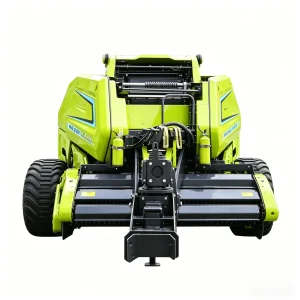
⚙️ THE 10 PROBLEMS COVERED
- Bales come out uneven, lopsided, or barrel-shaped
- Net wrap not feeding correctly
- Twine breaking or knotter not tying
- Bales not reaching target density
- Pickup leaving hay behind
- Belts slipping or breaking (round balers)
- Hydraulic system not responding
- Overheated bearings / smell of burning
- Tailgate won’t open or close properly
- Monitor / electronic system errors
Problem #1: Bales Come Out Uneven or Lopsided
Symptoms: Round bales are barrel-shaped (fatter in middle), cone-shaped (one end larger), or square bales come out wedge-shaped instead of rectangular. Bales weigh inconsistently from one to the next.
Root causes:
- Operator pattern — driving in straight lines instead of weaving across the windrow
- Uneven feed into the chamber from one side
- Worn or stretched belts on one side (round balers)
- Damaged or missing pickup tines on one side
- Bale chamber side bearing failure
Fix sequence:
- First, change driving pattern — weave the tractor right-left across the windrow so material feeds evenly across the entire chamber width
- Inspect pickup tines — count them on each side, replace any that are bent or missing
- Check belt tension on round balers — measure all belts; replace as a complete set if any are significantly more stretched than the others
- Verify chamber side rollers spin freely — bearing drag on one side causes uneven compression
- For square balers: check plunger timing and feeder fork synchronization
Problem #2: Net Wrap Not Feeding
Symptoms: Net wrap doesn’t pull into the chamber when triggered, feeds intermittently, or wraps around rollers instead of the bale. The single most common round baler complaint.
Root causes:
- Net wrap installed on the wrong roll direction
- Static buildup on the net wrap roll
- Worn or dirty feed rollers — rubber surface glazed
- Knife not cutting cleanly, leaving fibers that catch on rollers
- Brake tension too tight or too loose
- Low-quality or expired net wrap material
Fix sequence:
- Verify the net wrap roll is installed correctly — feed direction matches the diagram on the baler
- Clean the feed rollers with a stiff brush; replace if surfaces are glazed or hardened
- Sharpen or replace the cutting knife — a dull knife is the #1 cause of fiber tangling
- Adjust brake tension per the manual — usually a spring-loaded mechanism with marked positions
- If problem persists, try a different net wrap brand — quality varies dramatically
📚 Read next: For an in-depth diagnostic walkthrough of net wrap issues, see our dedicated guide Net Wrap Not Feeding? Complete Troubleshooting Guide.
Problem #3: Twine Breaking or Knotter Not Tying
Symptoms (square balers): Twine snaps mid-bale, knotter cycles but doesn’t tie, knots come out malformed, or bales emerge with twine trailing untied.
Root causes:
- Low-quality twine or wrong tensile strength for the bale density
- Knotter timing out of adjustment
- Dull knotter knife
- Twine threading path wrong — missed a guide or eyelet
- Excessive tension on the twine ball
- Crop debris in the knotter mechanism
Fix sequence:
- Check twine threading against the operator manual diagram — easy to miss a guide
- Reduce twine ball tension — should pull off freely with light resistance
- Clean the knotter thoroughly with compressed air; remove all crop debris
- Inspect knotter knife — replace if dull or chipped
- Verify twine specification matches your bale density — heavier bales need higher tensile-strength twine
- If knotter timing is suspected, consult dealer — adjustment requires specific tools and procedure
Problem #4: Bales Not Dense Enough
Symptoms: Bales feel light, fall apart easily, weigh less than expected, or show visible looseness when net wrap or twine is removed.
Root causes:
- Density control set too low
- Hydraulic pressure not reaching specified level
- Belt tension insufficient (round balers)
- Hay too dry — particles too brittle to compress
- Driving speed too high relative to windrow density
- Pre-cutter knives engaged when not needed (or disengaged when needed)
Fix sequence:
- Increase density control to mid-range or higher (in cab or on baler depending on model)
- Check tractor hydraulic pressure against baler manual specification
- Slow down ground speed — let the chamber fill more deliberately
- Verify hay moisture is in the 14-18% range; below 12% bales rarely hold density well
- Inspect chamber belts/rollers for wear that prevents adequate compression
Problem #5: Pickup Leaving Hay Behind
Symptoms: Visible strips or clumps of hay remain in the field after baling. Pickup capacity feels reduced. Operator has to slow down significantly.
Root causes:
- Pickup height set too high
- Bent, broken, or missing tines
- Pickup speed mismatched to ground speed
- Windrow too wide for the pickup width
- Pickup cam follower bearing worn — tines lifting prematurely
Fix sequence:
- Lower pickup height — tines should just clear stubble (typically 2-3 inches above ground)
- Replace bent or missing tines as a complete set; mismatched tine lengths cause the same problem
- Match windrow width to pickup width — adjust rake settings if windrows are too wide
- Maintain consistent ground speed in the 4-7 mph range for most balers
- Inspect pickup cam mechanism if tines aren’t extending properly at low engagement
Problem #6: Belts Slipping or Breaking
Symptoms (round balers): Squealing during chamber rotation, visible belt slip, belts snap mid-bale, or chamber stops rotating despite drive engaged.
Root causes:
- Belt tension below specification
- Glazed or oil-contaminated belt surfaces
- Belt age — typically 5-7 years or 30,000-50,000 bales
- Foreign object in chamber (rocks, wire, baling twine)
- Belt running off-track on the rollers
- Worn belt-tracking guides or rollers
Fix sequence:
- Check belt tension — adjust tensioner spring per manual specification
- Inspect belt surfaces for glazing or oil contamination — clean or replace
- Open chamber and check for foreign objects after every belt issue
- If any belt has cracks, glazing, or significant stretch, replace the complete set
- Verify all rollers spin freely — a seized roller damages belts within hours
- Check belt tracking — adjust roller alignment if belts run off-center
Problem #7: Hydraulic System Not Responding
Symptoms: Tailgate won’t open or close, density adjustment doesn’t respond, pickup won’t lift, or hydraulic functions are sluggish and weak.
Root causes:
- Quick-connect couplers not seated fully
- Tractor hydraulic flow set too low
- Hydraulic fluid level low at the tractor
- Damaged or kinked hydraulic hose
- Internal cylinder seal failure
- Solenoid valve electrical fault
Fix sequence:
- Disconnect and reconnect quick-couplers — clean any debris from the coupler face
- Verify tractor hydraulic flow is set to baler manufacturer’s recommended GPM
- Top up tractor hydraulic fluid to specified level
- Inspect hoses end-to-end for kinks, abrasion, or oil leaks
- Test electrical signals to solenoid valves with a multimeter
- Internal cylinder issues require professional repair — call dealer
Problem #8: Overheated Bearings or Burning Smell
Symptoms: Smell of burning rubber or grease, smoke from any part of the baler, audible grinding, or bearing housing too hot to touch.
⚠️ Critical safety alert: Stop the PTO immediately. Shut down the tractor. Do not continue operating. Bearing failures are the leading cause of preventable hay baler fires. Carry a charged fire extinguisher in your tractor cab at all times.
Root causes:
- Bearing failing — seal damaged, lubricant lost, ball wear
- Crop debris wrapped tightly around a shaft
- Belt or chain rubbing against a non-rotating component
- Insufficient lubrication on grease points
- Foreign object jammed in chamber
Fix sequence:
- Stop the machine immediately and let cool 15 minutes before inspection
- Walk around and identify the heat source — rotate components by hand to find drag
- Remove all wrapped crop debris from shafts
- Replace any bearing that’s hot, noisy, or has free play — never restart and “see if it gets better”
- Check that all grease points have been recently serviced
- Inspect for any foreign object that may have entered the chamber
Problem #9: Tailgate Won’t Open or Close
Symptoms (round balers): Tailgate stuck closed after wrap completes, won’t latch when closing, or opens partially and stops.
Root causes:
- Hydraulic cylinder seal failure
- Bale stuck in chamber (overpacked or wet)
- Latch mechanism bent or damaged
- Crop debris in latch mechanism
- Hydraulic flow insufficient at tractor
Fix sequence:
- If a bale is stuck, slowly cycle hydraulic pressure while ground-driving forward — usually frees the bale
- Inspect latch mechanism for bent components or debris; clean and lubricate
- Verify tractor hydraulic flow is at baler-specified GPM
- Check cylinder for external oil leaks — internal seal failures usually require professional repair
- Inspect tailgate alignment — frame distortion can prevent latching
Problem #10: Monitor or Electronic System Errors
Symptoms: Bale count not advancing, density readout stuck or erratic, error codes displayed, monitor showing no signal, or moisture sensor returning nonsense values.
Root causes:
- Electrical connector at hitch unseated or corroded
- Sensor coated in crop debris or moisture
- Cable damage from rodents during storage
- Tractor electrical system voltage low
- Software glitch — monitor needs reset
Fix sequence:
- Power-cycle the monitor — turn key off, wait 30 seconds, restart
- Disconnect and reconnect main electrical connector at the hitch — check for corrosion
- Clean specific sensors mentioned in error codes
- Inspect cable runs for visible damage, especially after winter storage
- Verify tractor battery voltage is at least 12.5V at idle
- Look up specific error codes in operator manual — many are self-explanatory once decoded
Diagnostic Quick-Reference Table
| Symptom | First Check | Most Likely Cause |
|---|---|---|
| Lopsided bale | Driving pattern | Operator pattern or worn belts |
| Net wrap stuck | Cutting knife | Dull knife / glazed rollers |
| Twine breaking | Twine threading path | Wrong threading or excess tension |
| Loose bales | Density setting | Density too low or hay too dry |
| Hay left in field | Pickup height | Pickup too high or bent tines |
| Belts slipping | Belt tension | Tension low or belts worn out |
| No hydraulic response | Quick-couplers | Coupler not fully seated |
| Burning smell | Stop, then identify | Failed bearing (URGENT) |
| Tailgate stuck | Bale in chamber | Stuck bale or hydraulic issue |
| Monitor errors | Power-cycle monitor | Connector or sensor issue |
Prevention: How to Avoid 80% of These Problems
Field experience consistently shows that the great majority of baler problems are preventable through three habits:
- Daily pre-baling inspection. Five minutes catches most developing issues before they become field breakdowns.
- End-of-day cleaning. Crop debris is the substrate that turns minor bearing wear into a fire and minor knife dullness into a wrap failure.
- Proper off-season storage. Most rust, electrical, and rodent issues originate in poor winter storage practices.
📚 Read next: Our Ultimate Hay Baler Maintenance Checklist covers daily, weekly, seasonal, and storage maintenance in full detail.
When to Call Your Dealer or Manufacturer
Most problems above are operator-fixable. Some aren’t. Reach out for professional support when:
- Hydraulic cylinders show internal seal failure (oil bypassing internally)
- Knotter mechanism timing requires adjustment
- Frame cracks or structural damage appears
- Repeated electronic errors despite all operator checks
- Any fire or near-fire incident has occurred
- A problem is recurring after multiple repair attempts
Frequently Asked Questions
What’s the most common hay baler problem?
Net wrap not feeding correctly is the most-reported issue across modern round balers, followed by uneven bale shape and pickup performance issues.
How do I know if a problem is mechanical or operator-error?
If the problem started suddenly with no recent maintenance changes, mechanical failure is likely. If it’s been gradually worsening, wear is the cause. If it appears only in certain field conditions, technique is often the issue.
Should I keep operating if a problem is intermittent?
Depends on the problem. Intermittent monitor errors or wrap issues are usually safe to continue with monitoring. Intermittent burning smells, unusual noises, or hydraulic failures should be diagnosed immediately — they typically get worse, not better.
How much should I keep in spare parts?
At minimum: pickup tines, drive chain master links, hydraulic O-rings, knife/blade replacements, and net wrap or twine. Larger operations should add belts and primary bearings. Mid-field breakdowns become 30-minute fixes instead of multi-day waits when parts are stocked.
⭐ NEED TECHNICAL HELP?
Our Engineers Respond Within 12 Hours
Send a description, photo, or video of your issue — our technical team will diagnose and recommend a fix, including parts availability if needed. Free for the lifetime of any Hay-Balers machine.
About this guide: Compiled by the engineering team at Canada Hay-Balers Co., Ltd, manufacturer of round and square hay balers exported to 40+ countries. ISO 9001 certified, 100+ technical patents. Always cross-reference your specific operator manual — manufacturer-specific procedures take precedence over general guidance.